Cultured Stone and Brick Adhesion and Grouting
Cultured stone, natural stone and brick claddings give a warm, characterful look indoors and outdoors. Their longevity depends on choosing the right adhesive and a suitable grout. This guide summarises stone and brick cladding application.
Why the right adhesive matters
Stone and brick claddings can be heavier and more absorbent than ceramics, so a high-adhesion adhesive with good slip resistance should be used. On exteriors especially, choose products resistant to freeze-thaw and moisture.
Surface preparation
The substrate must be sound, load-bearing, dust-free and primed where needed. On absorbent surfaces, a primer improves adhesion and open time. The back of the cladding material should also be clean.
Adhesion and grouting steps
- Apply adhesive with a notched trowel; back-butter heavy pieces.
- Press stones/bricks and adjust as needed for full contact.
- Grout after the adhesive has cured.
- Place grout neatly with a suitable tool (grout bag, etc.) and clean off excess.
The role of grout
Grout blocks water ingress, protects stone edges and unifies the cladding. On facades, a water-repellent, weather-resistant grout extends the life of the cladding.
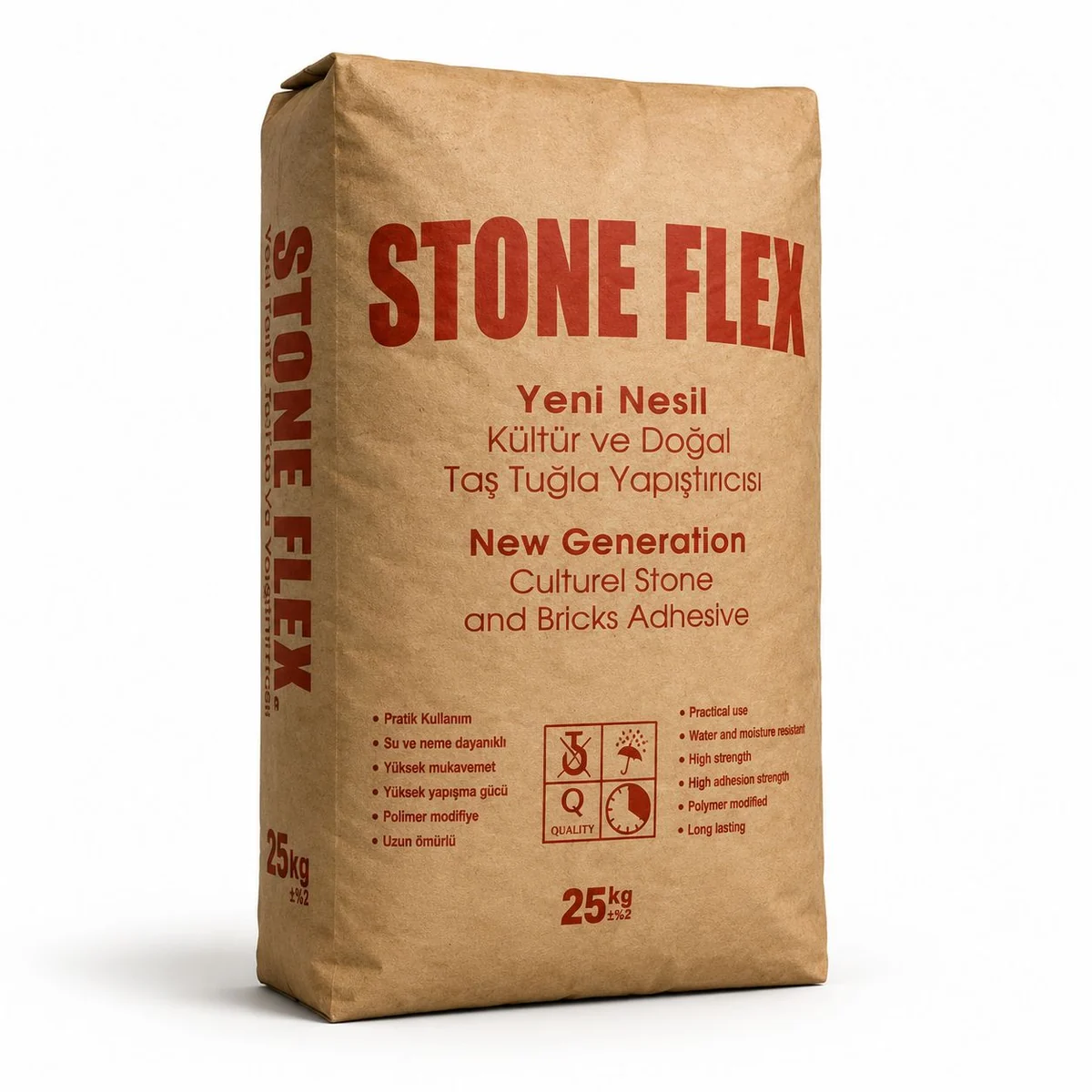
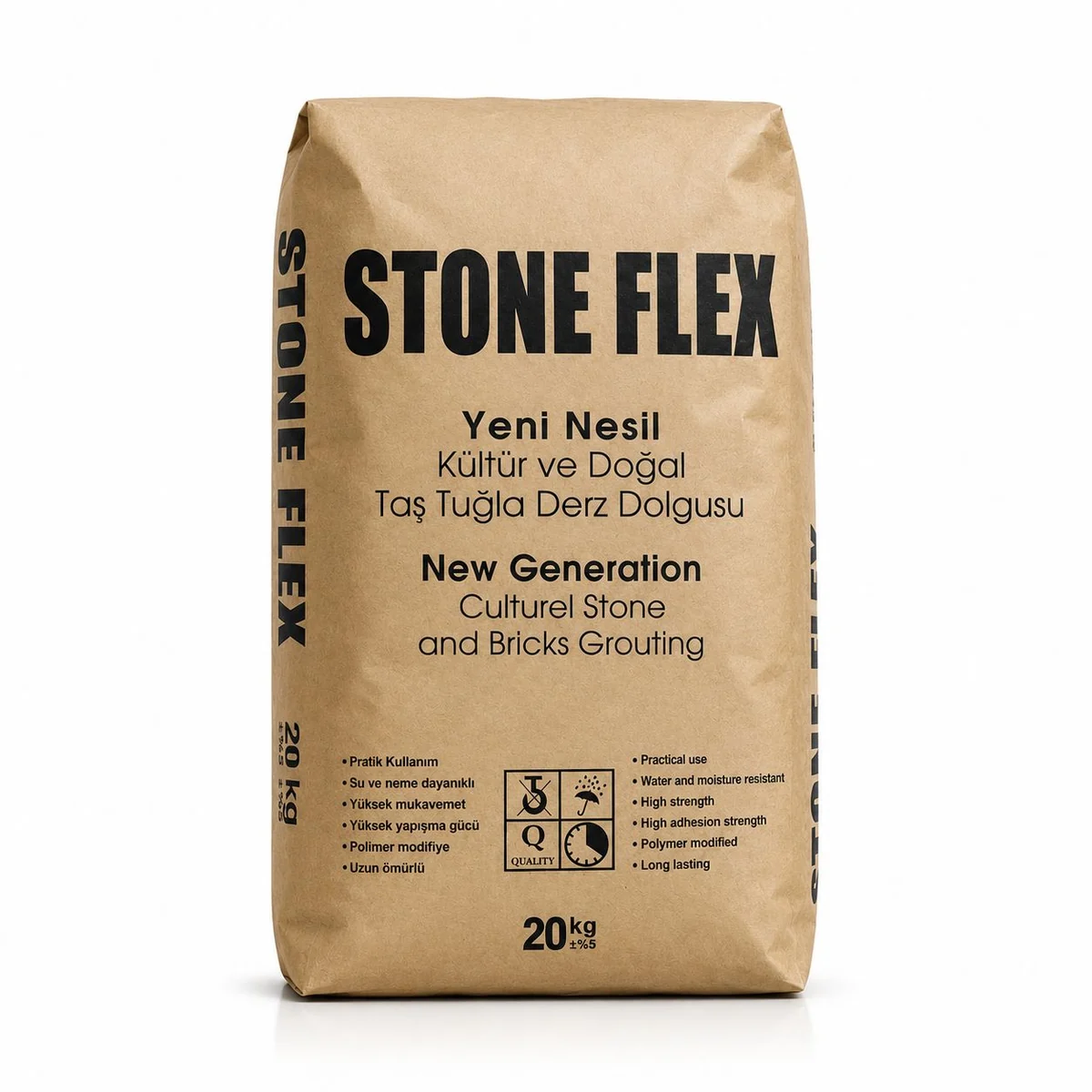
To choose suitable products, review Stone Flex cultured stone and brick adhesive and Stone Flex grout and get support from the Datex team.
Frequently Asked Questions
Which adhesive is used for cultured stone?
High-adhesion adhesives with good slip resistance and, for facades, weather resistance; products made for stone and brick are suitable.
Is grouting required for stone cladding?
Grout is strongly recommended, especially on facades, as it blocks water and protects edges.
What to watch for in exterior stone cladding?
Use freeze-thaw and moisture-resistant adhesive and grout, and prepare the surface properly.
Let's choose the right product together
Contact the Datex team for product selection, technical information and a price quote.