Grout (Joint Filler) Selection and Application: A Complete Guide
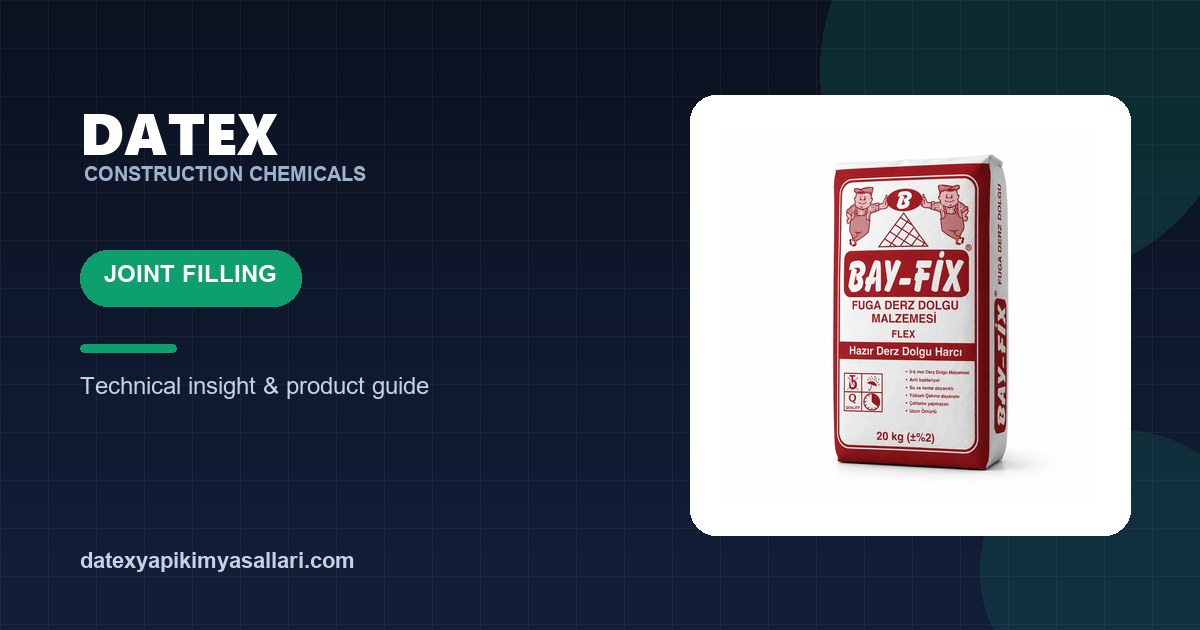
Grout (the joint filler between tiles) is a finishing product that defines both the aesthetics and durability of a tiling job. A well-chosen grout blocks water passage, protects tile edges and gives the surface a unified look. This guide covers grout selection and application.
Choose by joint width
Narrow joints and wide joints call for different grout formulations. Wide joints need products with higher filling capacity and better crack resistance. Tile type and joint spacing are the first criteria that determine the right grout.
Cement-based vs silicone grout
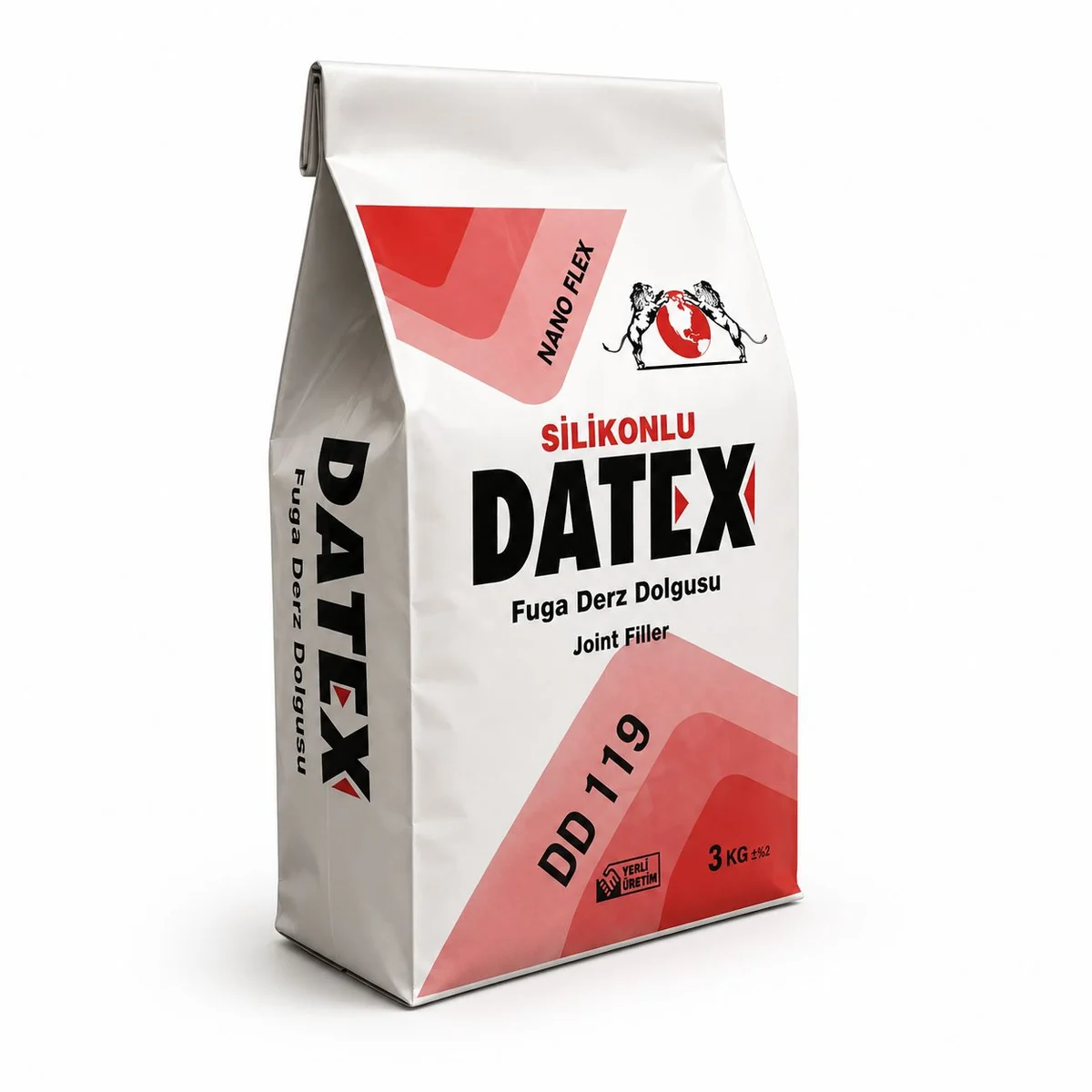
Cement-based grouts are ideal for general-purpose use. Silicone grout provides a flexible surface with greater water and moisture resistance and stands out in wet areas and high-aesthetic applications. The moisture level of the area is decisive in the choice.
What to watch for in wet areas
In bathrooms, kitchens, showers and terraces in constant contact with water, the water-repellent property of the grout becomes important. In corners and expansion joints, sanitary silicone is often recommended instead of grout.
Step-by-step grout application
- Do not grout before the adhesive has fully cured.
- Clean the joints of dust and adhesive residue.
- Mix the grout to the manufacturer ratio and fill with a rubber float in diagonal strokes.
- When the surface starts to haze, remove excess with a damp sponge, then polish with a soft cloth.
Colour and aesthetics
Grout colour can be chosen to match or contrast the tile tone. Light-coloured joints show dirt more easily; keep this in mind for high-traffic areas.
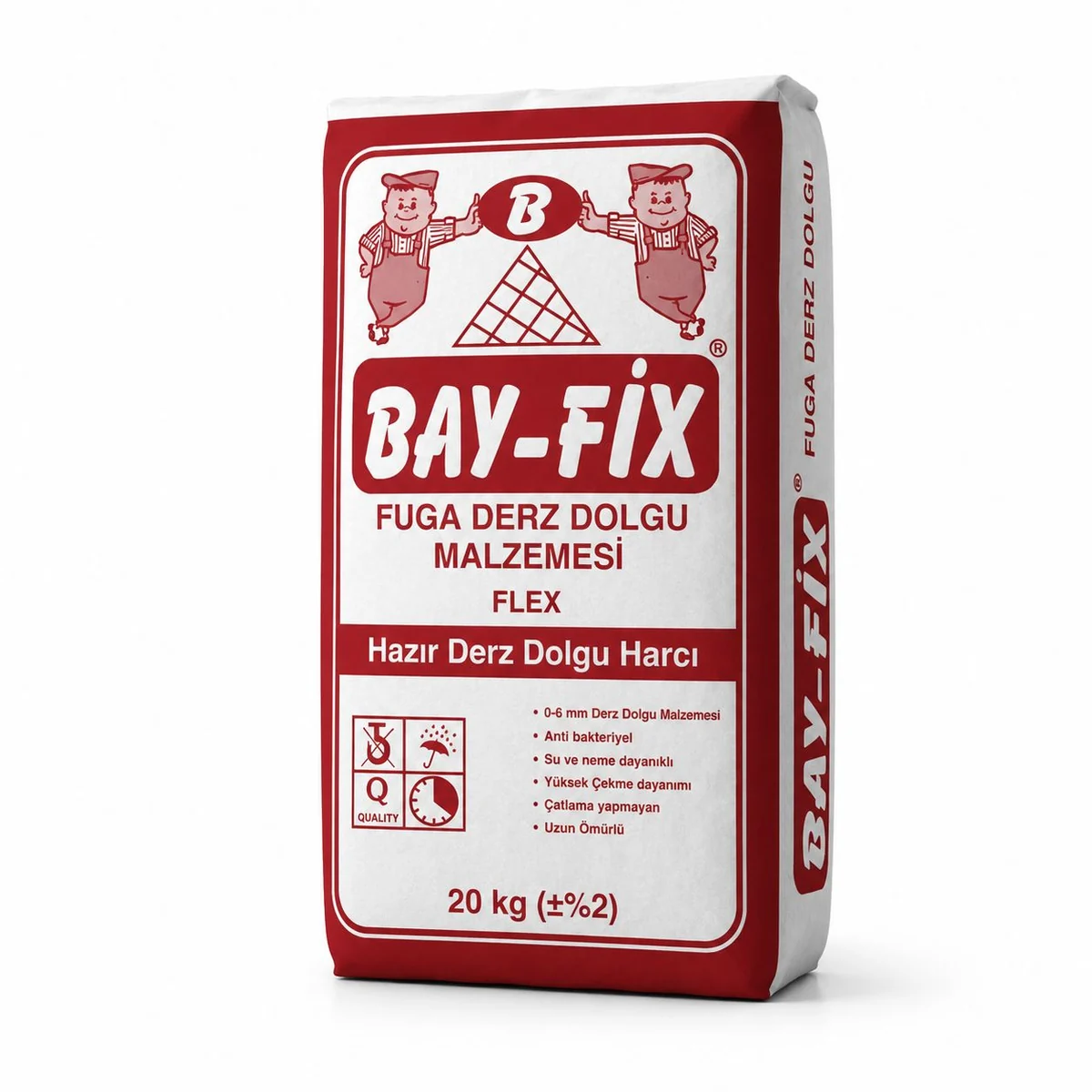
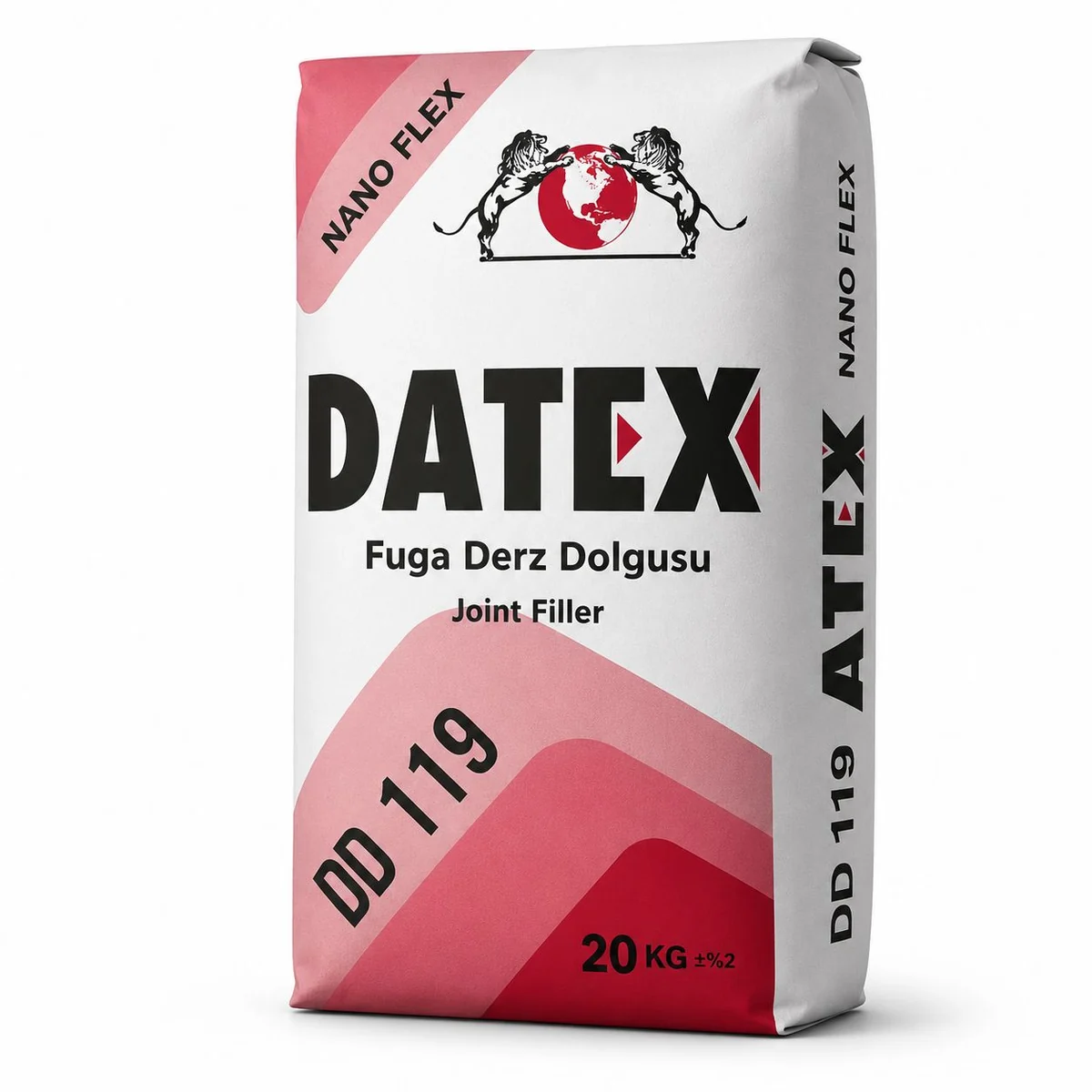
To determine the right grout, share your tile type and joint width with the Datex team. Review options such as Bay-Fix Fuga Flex and Datex silicone grout on the product pages.
Frequently Asked Questions
Where is silicone grout used?
In wet areas such as bathrooms, showers and kitchens and in high-aesthetic applications, because it provides high resistance to water and moisture.
When should grout be applied?
After the adhesive has cured sufficiently, generally after about 24 hours; check the product data sheet for the exact time.
Which grout is used for wide joints?
Grouts with high filling capacity and crack resistance are preferred for wide joints.
Let's choose the right product together
Contact the Datex team for product selection, technical information and a price quote.